A bag of Guatemalan coffee can taste bright and citrusy as a pour-over, round and chocolatey as espresso, and quietly sweet in a flat white. That does not mean the origin is vague. It means roast profile matters.
In specialty coffee, we often talk about origin first: Guatemala, Colombia, Ethiopia, Kenya, Brazil. Origin matters: it tells you about climate, altitude, varieties, processing traditions, and the people behind the coffee. But roast is the translation layer between green coffee and the cup. A thoughtful profile can make a high-grown Guatemalan coffee feel vivid and transparent for filter brewing, or more structured and caramel-led for espresso.
This guide is for international coffee drinkers who enjoy single-origin coffee but want to buy more confidently. If one Guatemalan coffee tasted like orange and cocoa in a V60, while another tasted like dark chocolate in a cappuccino, this is the missing piece.
Quick answer: what roast profile works best for Guatemalan coffee?
Guatemalan coffee usually works well at light to medium roast levels because its natural sweetness, balanced acidity, and cocoa-like structure can stay clear without becoming harsh. Choose a lighter roast for pour-over coffee and cupping when you want more citrus, florals, and region detail. Choose a medium or espresso-focused roast when you want more body, caramel, chocolate, and easier extraction under pressure.
There is no single “best” roast for Guatemala. The best roast profile depends on the green coffee, the process, the brew method, and the cup experience you want.
Why roast profile is a buyer skill, not just a roaster skill
European and global specialty coffee culture has trained drinkers to ask better questions. Third-wave cafés in London, Berlin, Copenhagen, New York, Seoul, and Melbourne have made origin, freshness, brew method, and traceability part of ordinary coffee language. CBI describes Europe as the world’s largest coffee consumption market and notes that value growth is connected to premiumisation rather than simply drinking more coffee (CBI European coffee demand). In the specialty segment, CBI also points to origin stories, traceability, quality, and evolving taste expectations as important drivers (CBI specialty coffee market potential).
That matters when you stand in front of a shelf or browse an online coffee selection. “Guatemalan coffee” tells you the origin. “Washed Bourbon from Antigua” tells you more. “Light roast for filter” or “espresso roast” tells you how the roaster thinks the coffee should be brewed.
A roast profile is the roaster’s chosen path through heat and time. In plain English, it is how the roaster develops the bean: how quickly it heats, how far the sugars and acids are transformed, and when the roast is stopped. You do not need to read a roast curve to make a good purchase. But you do need to know what a profile is likely to do in the cup.
Why Guatemala gives roasters room to move
Guatemala is especially useful for this conversation because it is not a one-note origin. Guatemalan Coffees, the origin platform associated with Anacafé, highlights regions such as Antigua, Highland Huehue, Acatenango Valley, Traditional Atitlán, Rainforest Cobán, Fraijanes Plateau, New Oriente, and Volcanic San Marcos, and explains that varietals, microclimates, and growing conditions shape cup profiles (Guatemalan Coffees regions and profiles).
For a roaster, that diversity is a gift. Some lots show citrus, apple, florals, and fine acidity. Others lean toward cocoa, brown sugar, spice, toasted almond, or red fruit. A washed high-elevation coffee may suit a precise light roast, while a denser, chocolate-led lot may shine with more development for espresso.
Compared with Colombian coffee, Guatemalan coffee can feel slightly more cocoa-structured and spice-toned. Compared with Ethiopian coffee, Guatemala is usually less floral and tea-like. Compared with Kenyan coffee, it often has softer acidity and more chocolate or caramel grounding. These are guideposts, not rules, but they explain why Guatemala travels comfortably between filter, espresso, and milk drinks.
If you want to explore those regional differences more deeply, Kapalaj’s Guatemala coffee regions guide is a useful companion to this roast-focused guide. You can also read more about Kapalaj’s origin approach on our Guatemala origin page.
Light roast: clarity, acidity, and origin detail
A light roast is not simply “under-roasted coffee.” In good specialty roasting, a light profile is designed to preserve more of the coffee’s origin character while still developing enough sweetness to taste complete.
With Guatemalan coffee, a well-executed light roast can show notes like orange zest, red apple, honey, cacao nib, jasmine, almond, or stone fruit. The body may feel silky rather than heavy. The acidity should feel lively, not sharp. In coffee language, acidity means brightness or fruit-like lift, not sourness for its own sake.
Light roasts are especially rewarding in pour-over coffee, AeroPress, cupping, and other methods where clarity matters. If you like Ethiopian coffees for their sparkle but sometimes want something more grounded, a light-roasted Guatemalan coffee can be a beautiful bridge: clean and expressive, but still anchored by sweetness.
The trade-off is that light roasts can be less forgiving. They often need a finer grind, hotter water, and enough contact time. Extraction means dissolving flavor from ground coffee into water. Under-extracted coffee tastes sour, thin, or salty. Over-extracted coffee tastes dry, hollow, or bitter.
Medium roast: the specialty sweet spot for many drinkers
Medium roast is where many Guatemalan coffees become especially easy to love. The cup keeps origin character, but the roast adds roundness. Citrus becomes marmalade. Cocoa becomes chocolate. Sugar turns from honey-like brightness toward caramel, toffee, or panela.
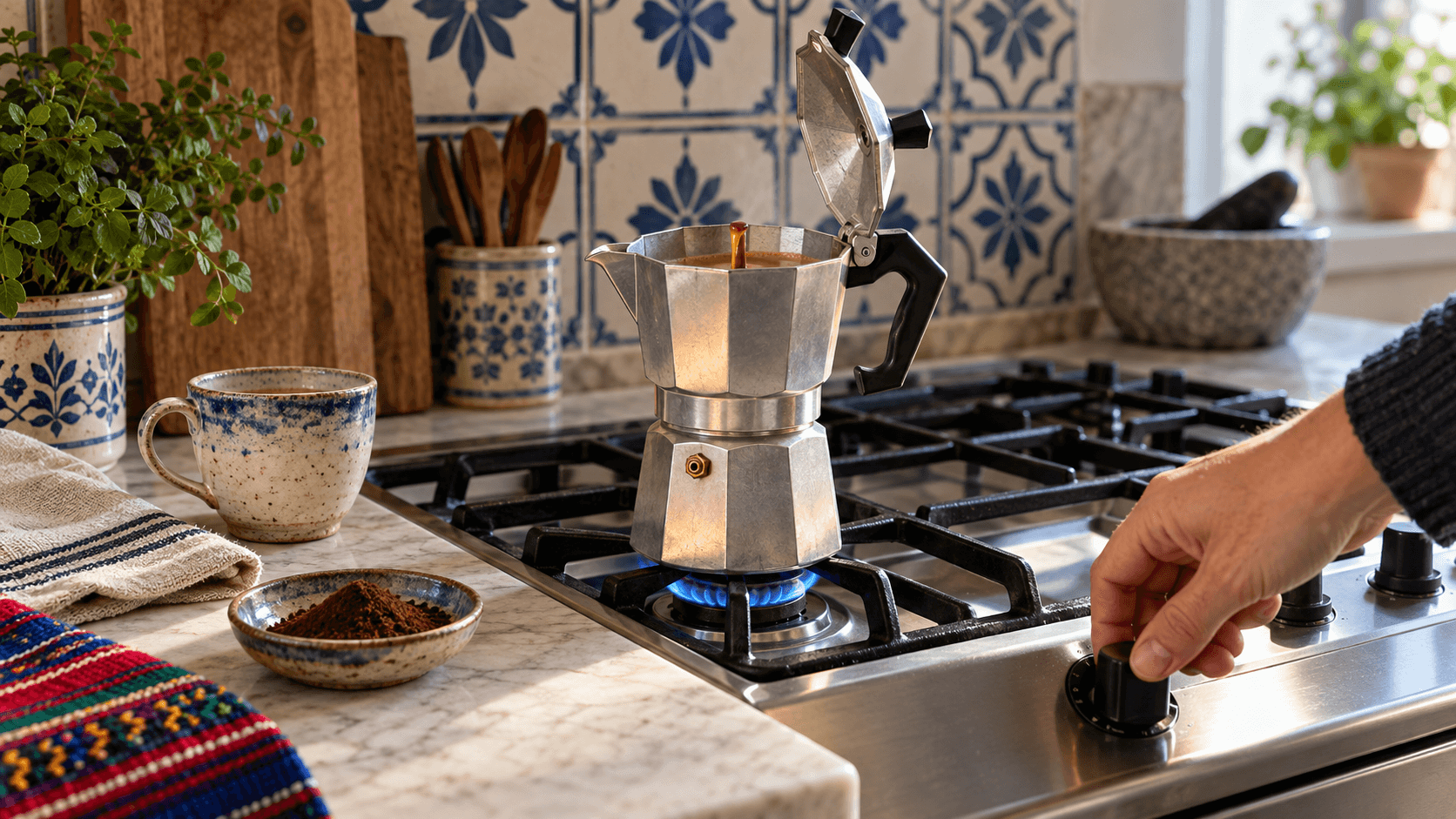
For home brewers, this is often the safest choice. A medium roast Guatemalan coffee can work in batch brew, French press, AeroPress, moka pot, and many automatic brewers. It is also a smart recommendation for people buying their first specialty coffee bag, because it does not require the same precision as a very light roast.
Medium roast does not have to mean flat or generic. In specialty coffee, it should still taste like a specific coffee from a specific place. The difference is that the roast gives the cup a broader comfort zone: less fragile than very light roasting, but still far from anonymous.
Espresso roast: structure, solubility, and pressure
Espresso is intense because a small amount of water passes through finely ground coffee under pressure. That pressure highlights both the best and worst parts of a coffee. If a roast is too light for espresso, the shot may taste sour, hollow, or aggressively sharp. If it is too dark, the origin character can disappear behind roast bitterness.
An espresso-focused roast for Guatemalan coffee usually aims for more solubility and structure. Solubility simply means how easily the coffee gives up flavor to water. A little more roast development can help espresso extract sweetness faster, build body, and create a more stable shot.
In the cup, this can mean dark chocolate, caramel, toasted nuts, orange peel, baking spice, or red fruit. In milk, it can become cocoa, malt, and soft brown sugar. If you enjoy cappuccinos or flat whites but still want a single-origin coffee rather than an anonymous blend, Guatemala is one of the most dependable origins to try.
The best espresso roast should still taste alive. It should not rely on burnt flavors to create “strength.” Strength is about concentration. Roast level is about flavor development. A short espresso made from a thoughtful Guatemalan roast can be strong, sweet, and origin-led at the same time.
A practical buying guide: match roast to brew method
Use this table as a starting point when choosing Guatemalan coffee.
Swipe the table sideways to see all columns.
| If you brew mostly... | Look for this roast cue | What you may taste | Brewing note |
|---|---|---|---|
| Pour-over or Chemex | Light to light-medium roast | Citrus, florals, honey, cacao, crisp apple | Use hot water and a grind fine enough to avoid sourness. |
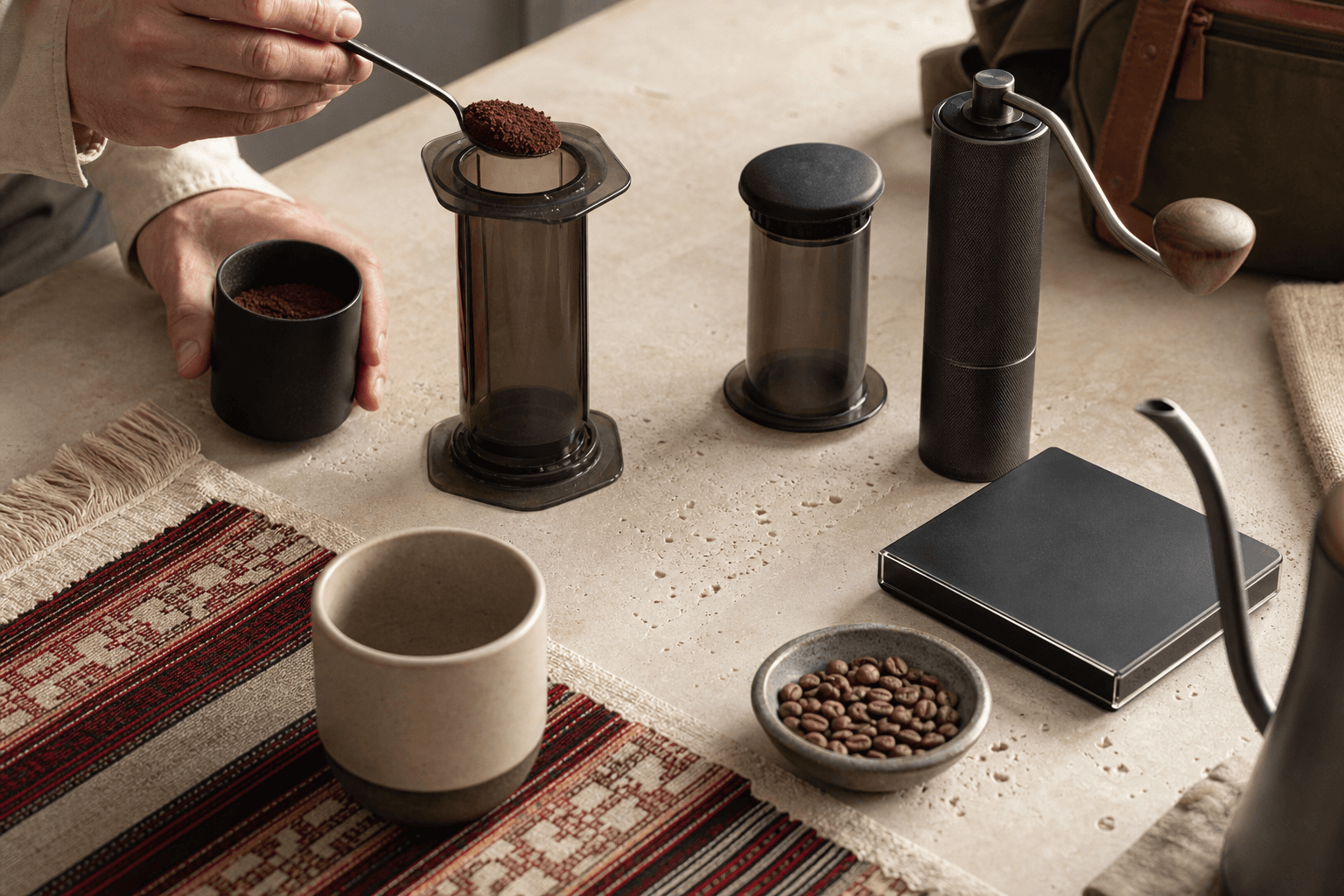
| AeroPress | Light-medium to medium roast | Sweet citrus, chocolate, stone fruit, rounded body | Start around 1:15 or 1:16 and adjust grind before changing everything else. |
| French press | Medium roast | Cocoa, toasted nuts, caramel, soft fruit | Use a coarse grind and pour off the brew after steeping for cleaner texture. |
| Espresso | Medium to espresso-focused roast | Dark chocolate, caramel, orange peel, spice | Dial in by taste, not only shot time; sweetness matters more than numbers. |
| Milk drinks | Medium or espresso roast | Cocoa, malt, brown sugar, gentle fruit | Choose a coffee with enough body so milk does not flatten the origin. |
| Batch brew for office or hospitality | Medium roast | Balanced sweetness, clean finish | Brew around 60 g per litre, then adjust for equipment. |
The point is not to memorize rules. The point is to buy with a purpose. If you want a bright Sunday pour-over, do not choose the same profile you would choose for a busy café espresso bar.
How to taste roast profile at home
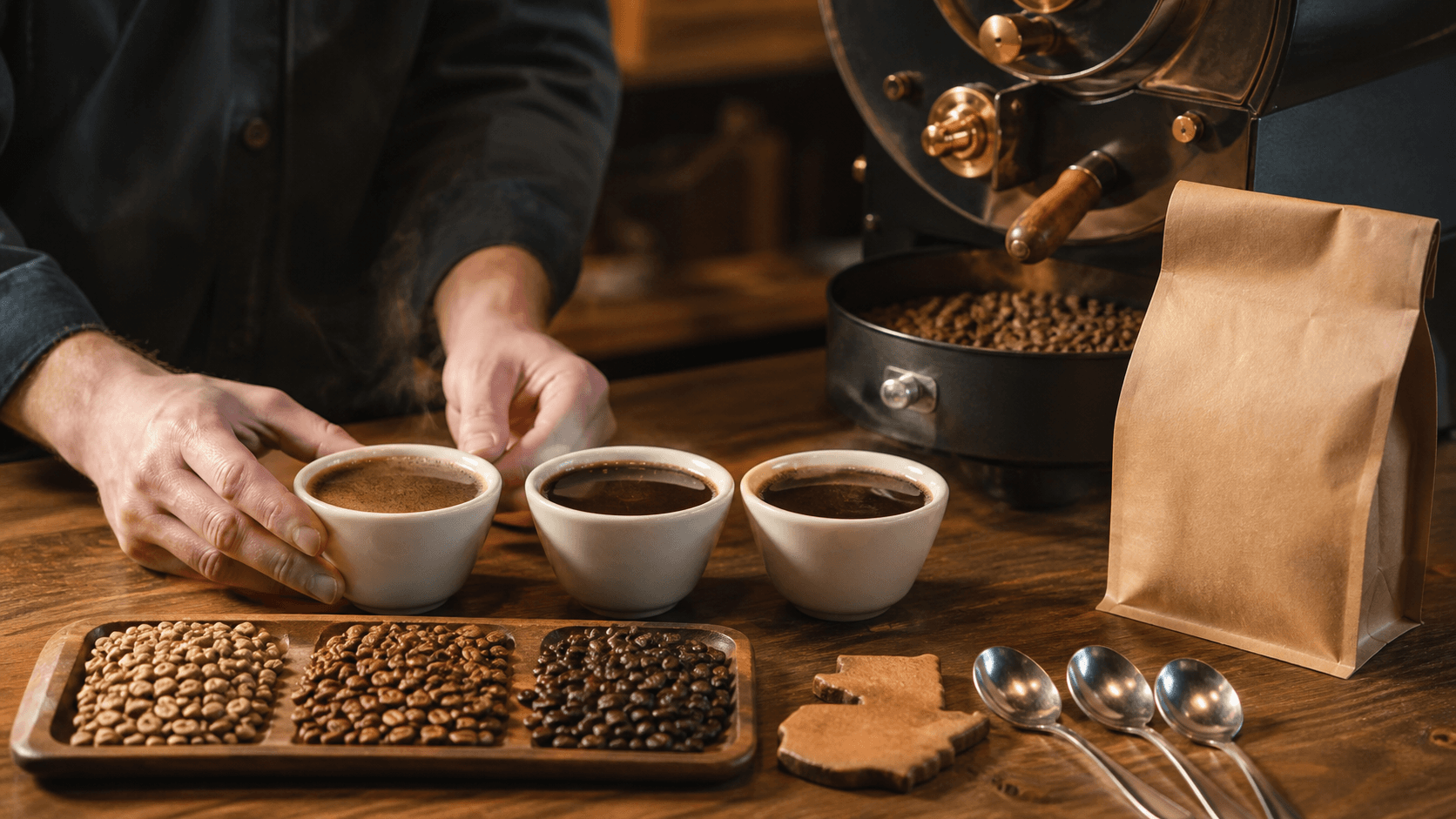
You can learn a lot with a simple side-by-side tasting. Buy two Guatemalan coffees from the same roaster if possible: one roasted for filter and one roasted for espresso. If that is not available, compare a light roast and a medium roast from similar origins.
Brew both as filter coffee using the same ratio. Try 15 g coffee to 250 g water, medium grind, and water just off the boil. Taste them hot, warm, and nearly cool. Good coffee often becomes more revealing as it cools.
Ask four questions:
- Where is the sweetness? Is it honey-like, caramel-like, chocolate-like, or dried-fruit-like?
- How does the acidity feel? Is it crisp like citrus, soft like apple, or barely present?
- What is the body like? Body means mouthfeel: tea-like, silky, creamy, syrupy, or heavy.
- What stays in the finish? A clean finish fades pleasantly. A harsh finish dries the tongue or leaves smoke behind.
This reflects specialty coffee’s move toward shared language and repeatable evaluation. The Specialty Coffee Association’s standards work emphasizes consistency, terminology, and evaluation methods (SCA coffee standards). At home, you do not need formal scoring. You just need enough structure to notice cause and effect.
What roast profile cannot fix
Roasting is powerful, but it is not magic. A roaster cannot turn poor green coffee into clean specialty coffee. Roast cannot create traceability, careful picking, good fermentation control, or healthy drying conditions after the fact. It can only reveal, balance, or obscure what is already present.
That is why direct trade coffee, transparent sourcing, and producer relationships matter. In plain terms, direct trade means a roaster or coffee company works more closely with producers or trusted partners instead of buying anonymous commodity coffee. Judge the phrase by evidence: named origin, clear lots, repeat relationships, quality feedback, and sensible pricing.
For Guatemala, this matters because the country’s regional diversity is only meaningful when coffees are kept distinct enough to taste and trace. If every lot disappears into a generic blend, the drinker loses the chance to understand Antigua, Huehuetenango, Acatenango, or other coffee regions of Guatemala as real sensory places.
FAQ: Guatemalan coffee roast profile
Is Guatemalan coffee better light or medium roast?
Guatemalan coffee can be excellent as both. Light roasts usually show more citrus, floral, and region detail. Medium roasts usually show more chocolate, caramel, body, and brewing forgiveness. Choose based on brew method and taste preference.
Is Guatemalan coffee good for espresso?
Yes. Guatemalan coffee is often a strong choice for espresso because it can combine sweetness, structure, cocoa notes, and balanced acidity. Look for a medium or espresso-focused roast if you want easier dial-in and better performance with milk.
Why does my Guatemalan coffee taste sour as a light roast?
It may be under-extracted. Try grinding slightly finer, using hotter water, extending brew time, or increasing agitation gently. If the coffee still tastes sharply sour, the roast may be too light for your brew method or grinder.
How is Guatemalan coffee different from Colombian coffee?
Both can be sweet, balanced, and versatile. As a broad buying clue, Guatemalan coffee often leans toward cocoa, citrus, spice, and structured sweetness, while Colombian coffee often shows caramel, red fruit, and rounded balance. The specific farm, region, process, and roast matter more than the country name alone.
What roast should I buy if I use several brew methods?
Choose a medium roast Guatemalan coffee. It usually gives enough clarity for filter, body for immersion, and sweetness for occasional espresso-style or milk-based drinks.
The takeaway
Roast profile is not a technical footnote. It is one of the clearest ways to choose Guatemalan coffee that fits your actual life: bright filter cups, generous everyday brews, expressive espresso, or sweet milk drinks with real origin character.
If you are buying your next bag, start with the job you want the coffee to do. Do you want clarity, comfort, espresso structure, or balance? Then look at origin, process, and roast together. That is where Guatemalan coffee becomes more than a country on a label. It becomes a set of choices you can taste.
Explore Kapalaj’s Guatemalan coffees and choose a roast profile that matches how you love to brew.