A coffee subscription should solve a simple problem: you want fresh, interesting coffee at home without turning every bag into a research project. But for specialty coffee drinkers, the wrong subscription can become either too random or too repetitive. One month is a sharply floral Ethiopian lot that needs careful brewing. The next is a heavy Brazilian espresso roast that feels made for milk. Somewhere in between, your everyday filter routine gets lost.
That is why Guatemalan coffee is such a useful anchor for a single-origin coffee subscription. It can offer real origin character without demanding a completely new brew recipe every month. At its best, it gives sweetness, structure, clean acidity, and enough sensory variation between regions and processes to keep the subscription feeling alive.
This guide is for international specialty-coffee enthusiasts choosing their first subscription, home brewers who want better daily coffee, and buyers who care about freshness, traceability, and value rather than novelty for novelty’s sake.
Quick answer: is Guatemalan coffee good for a single-origin coffee subscription?
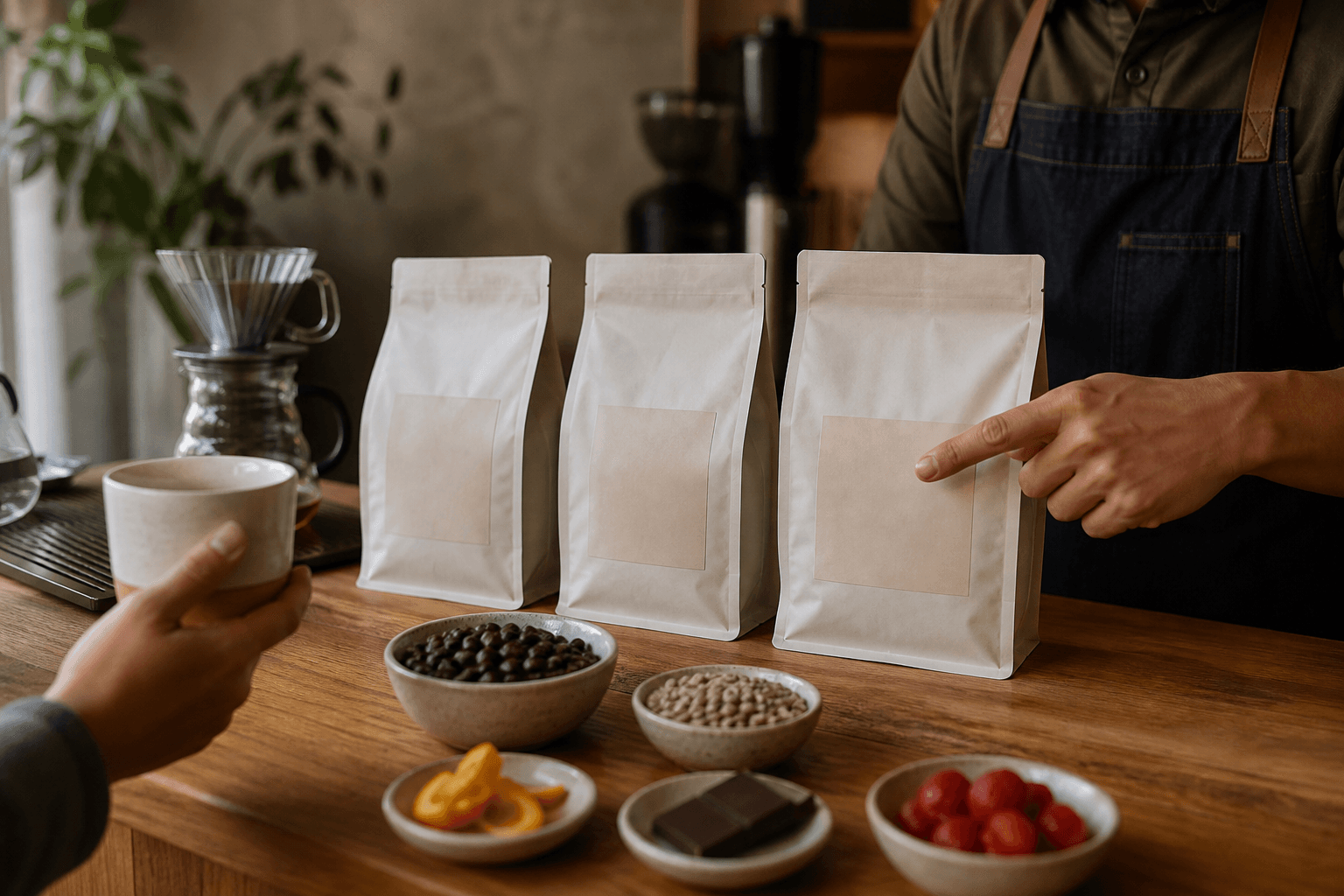
Yes. Guatemalan coffee works especially well in a single-origin coffee subscription because it often combines approachability with depth: cocoa-like sweetness, balanced fruit, medium body, and a clean finish. That means it can suit everyday filter coffee, AeroPress, batch brew, and many espresso-style recipes while still teaching you something about origin.
For subscription buyers, Guatemala also offers useful variety. Regional profiles such as Antigua, Huehuetenango, Acatenango, Atitlán, Cobán, Fraijanes, New Oriente, and San Marcos can taste different from one another, so you can explore without leaving the comfort of one country and one quality philosophy.
Why subscriptions are changing how people buy specialty coffee
Third-wave coffee culture trained many drinkers to ask better questions: Where is the coffee from? Who produced it? How was it processed? When was it roasted? Those questions used to belong mostly in cafés and roasteries. Now they belong in kitchens in London, Berlin, Copenhagen, New York, Oslo, Amsterdam, and anywhere else home brewers are weighing beans before breakfast.
The market supports that shift. CBI describes Europe as the world’s largest coffee consumption market, accounting for 30.7% of global coffee consumption in 2023/2024, and expects value growth through premiumisation (CBI European coffee demand). In its specialty-coffee analysis, CBI also highlights growing interest in traceability, origin storytelling, and distinctive taste profiles, especially as coffee shops introduce consumers to new varieties and origins (CBI specialty coffee market potential).
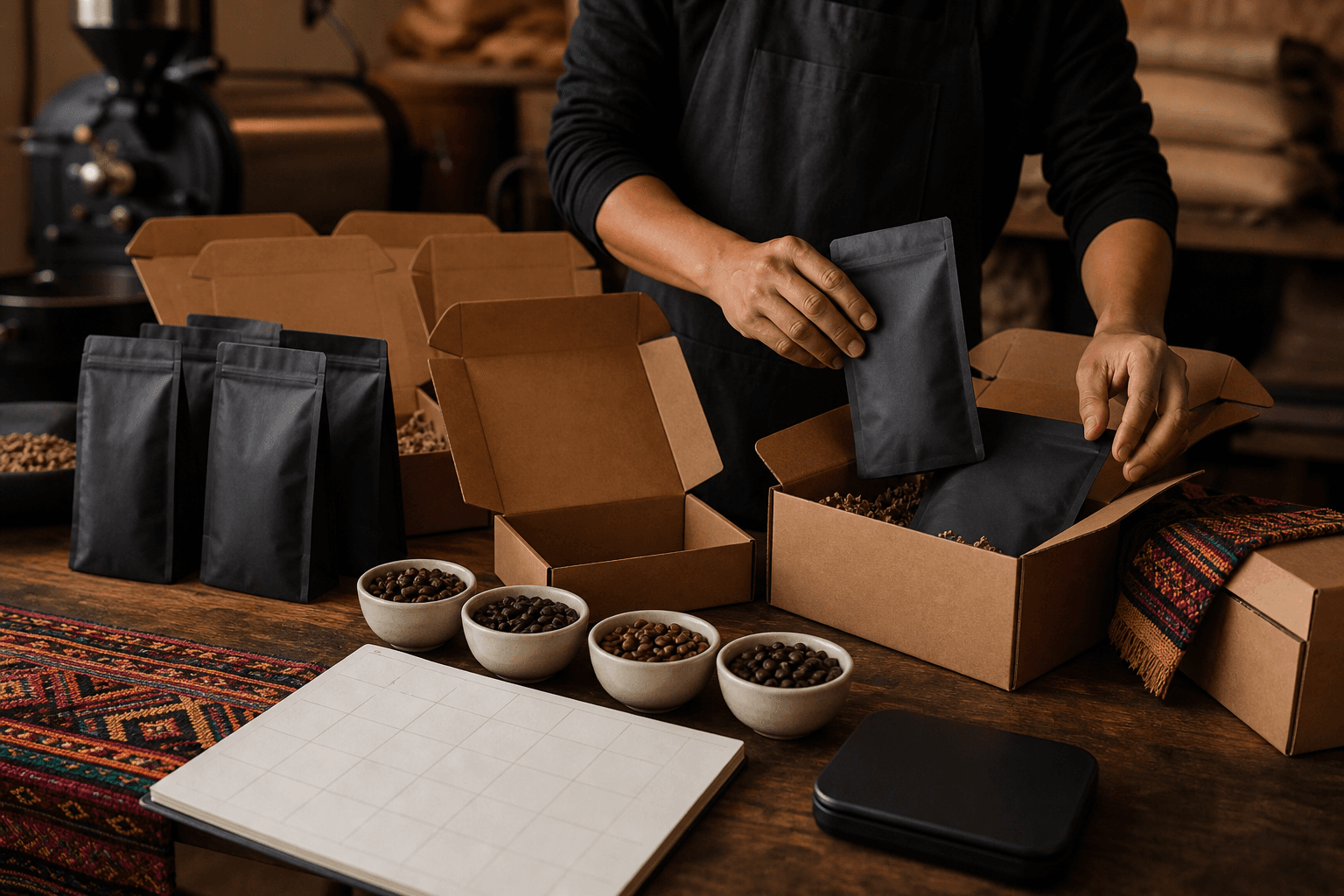
A good subscription turns that culture into a practical habit. You do not need to remember to reorder. You do not need to guess whether the supermarket bag was roasted last week or last quarter. You get a rhythm: fresh coffee arrives, you brew it, you learn the cup, and then the next bag gives you a small new angle.
But rhythm matters. If every delivery is too extreme, the subscription becomes homework. If every delivery tastes identical, it becomes boring. Guatemalan coffee sits in the middle: stable enough for a daily cup, diverse enough for origin discovery.
Why Guatemala is a strong subscription anchor
When people first discover single-origin coffee, they often learn origins through contrast. Ethiopian coffee may be floral, citrusy, and tea-like. Kenyan coffee can be intensely bright, with blackcurrant-like acidity and a structured finish. Colombian coffee often feels familiar and fruit-forward, with broad regional range. Brazilian coffee is frequently associated with lower-acid chocolate, nut, and espresso-friendly profiles.
Guatemalan coffee does not need to imitate any of them. Its strength is balance with character. Many lots bring chocolate, caramel, red apple, citrus, stone fruit, gentle spice, or brown-sugar sweetness. The best examples are not flat or generic; they are layered in a way that still makes sense in a morning routine.
That matters for subscriptions because most people do not brew coffee only on quiet weekends. They brew half-awake on weekdays, for guests after dinner, in a shared apartment, beside a laptop, or before the school run. A subscription coffee has to be forgiving enough to taste good under normal human conditions.
Guatemala’s regional diversity helps too. Guatemalan Coffees, the origin platform associated with Anacafé, notes that Guatemala was the first origin country to profile coffee regions and that varietals, microclimates, and growing conditions have a major impact on taste (Guatemalan Coffees regions and profiles). For a subscription, that means you can move from the structured cocoa-and-citrus feel often associated with Antigua-style profiles to the bright, highland clarity many drinkers seek from Huehuetenango, then into softer or more aromatic expressions from other regions.
The lesson for the buyer is simple: a Guatemala-led subscription does not have to mean drinking the same coffee repeatedly. It can mean returning to a country with enough internal variation to make each delivery meaningful.
What “single-origin” should mean in a subscription
Single-origin coffee means the coffee comes from a specific place rather than being blended from many origins. The exact scale can vary. It might mean one country, one region, one cooperative, one farm, one producer group, or one lot. The more specific the origin, the easier it is to understand why the coffee tastes the way it does.
That does not automatically make every single-origin coffee better. A vague single-origin label can still hide a lot. For a subscription, look for enough information to connect the cup to real choices:
- Country and region: Guatemala is the starting point; Antigua, Huehuetenango, Acatenango, Atitlán, Cobán, Fraijanes, New Oriente, and San Marcos add useful context.
- Roast level: Light to medium roasts often preserve more acidity and origin character. Darker roasts may emphasize roast bitterness over regional nuance.
- Process: Washed coffee usually tastes cleaner and more transparent. Natural or honey-processed coffee can be fruitier or heavier, depending on execution.
- Freshness: Coffee should be roasted recently enough to taste lively, but not necessarily brewed the same day it leaves the roaster.
- Brew fit: A bag should tell you whether it suits filter, espresso, milk drinks, or broad everyday use.
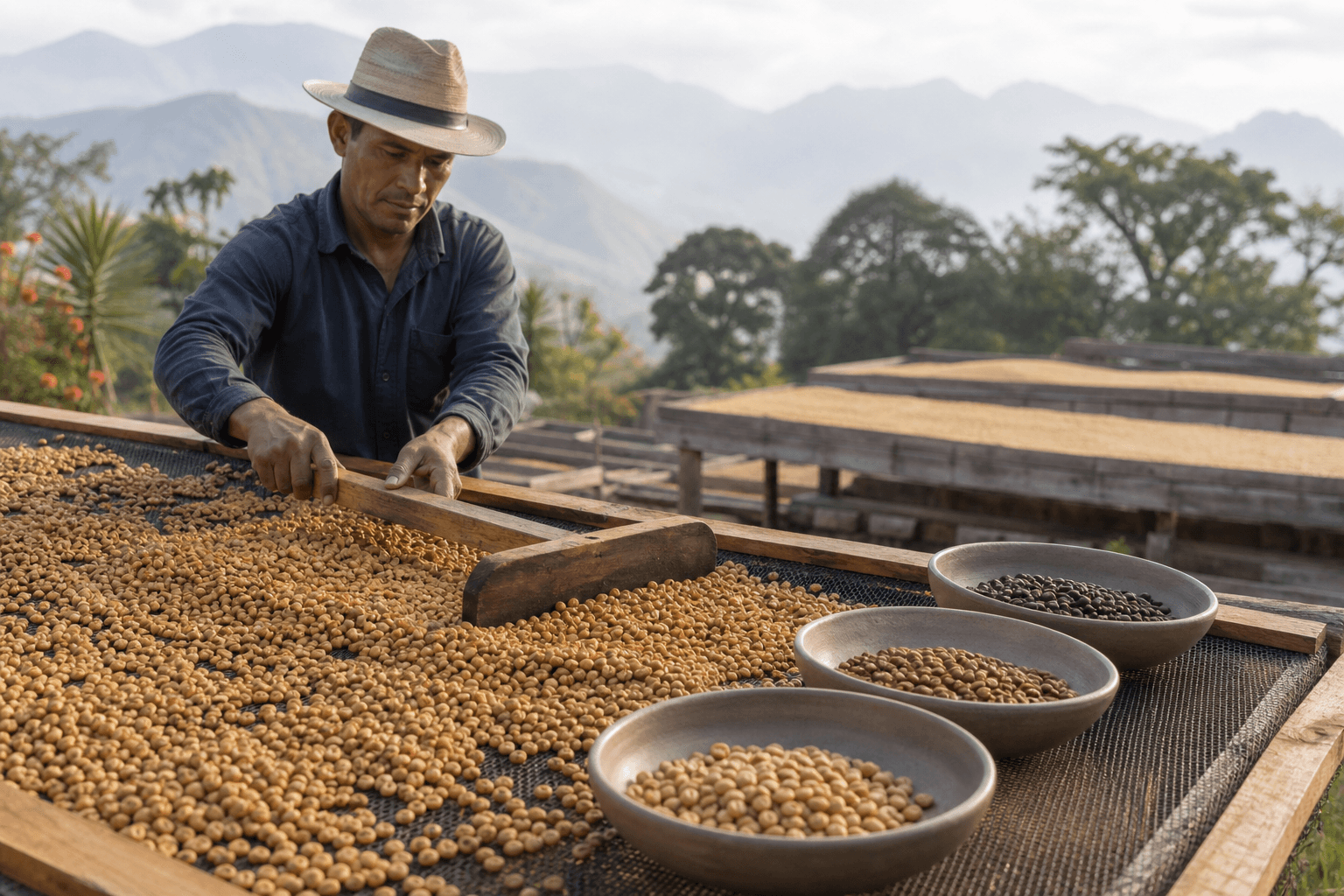
Traceability is the thread that connects these clues. In plain English, traceability means you can follow the coffee back to a clearer origin story rather than treating it as anonymous commodity coffee. If you want a deeper buying checklist, Kapalaj’s guide to traceable Guatemalan coffee explains what to look for before you buy.
The subscription rhythm: discovery without chaos
The best coffee subscriptions create a learning curve. They do not throw random bags at you; they build a sequence.
A Guatemala-led subscription might rotate like this:
Swipe the table sideways to see all columns.
| Month | Subscription focus | What to taste for | Best brew starting point |
|---|---|---|---|
| 1 | Balanced washed Guatemalan coffee | Cocoa, red apple, clean sweetness | Filter or batch brew at 60 g/L |
| 2 | Higher-altitude regional lot | Brighter acidity, citrus, lighter body | Pour-over or AeroPress |
| 3 | Espresso-friendly roast | Caramel, chocolate, round texture | Espresso, moka pot, or milk drinks |
| 4 | Processing or region contrast | Fruit, spice, finish, sweetness | Two-cup comparison brew |
This kind of rhythm gives the reader a job each month. Not a complicated assignment, just one useful question: What changed? Did the coffee feel sweeter, brighter, heavier, cleaner, fruitier, or more chocolate-led?
The Specialty Coffee Association publishes standards and protocols used across the industry for brewing, cupping, and evaluation (SCA coffee standards). You do not need a professional cupping table to benefit from that mindset. You only need repeatability: use the same grinder setting, water, dose, and brew method for your first cup of each new bag. Then adjust once you know what the coffee is doing.
A practical first-bag recipe for Guatemalan subscription coffee
If your subscription bag arrives and you do not know where to start, use this simple filter recipe.
Balanced filter baseline
- Coffee: 30 g whole-bean Guatemalan coffee
- Water: 500 g, just off boil for light-medium roasts
- Grind: medium, like coarse sand
- Ratio: 60 g coffee per litre of water
- Target brew time: about 3:30 to 4:30 for many pour-over or small batch methods
- First adjustment: if it tastes sour or thin, grind a little finer; if it tastes dry or bitter, grind a little coarser
This recipe is not magic. It is a baseline. The point is to give every new bag a fair first brew before you start changing variables.
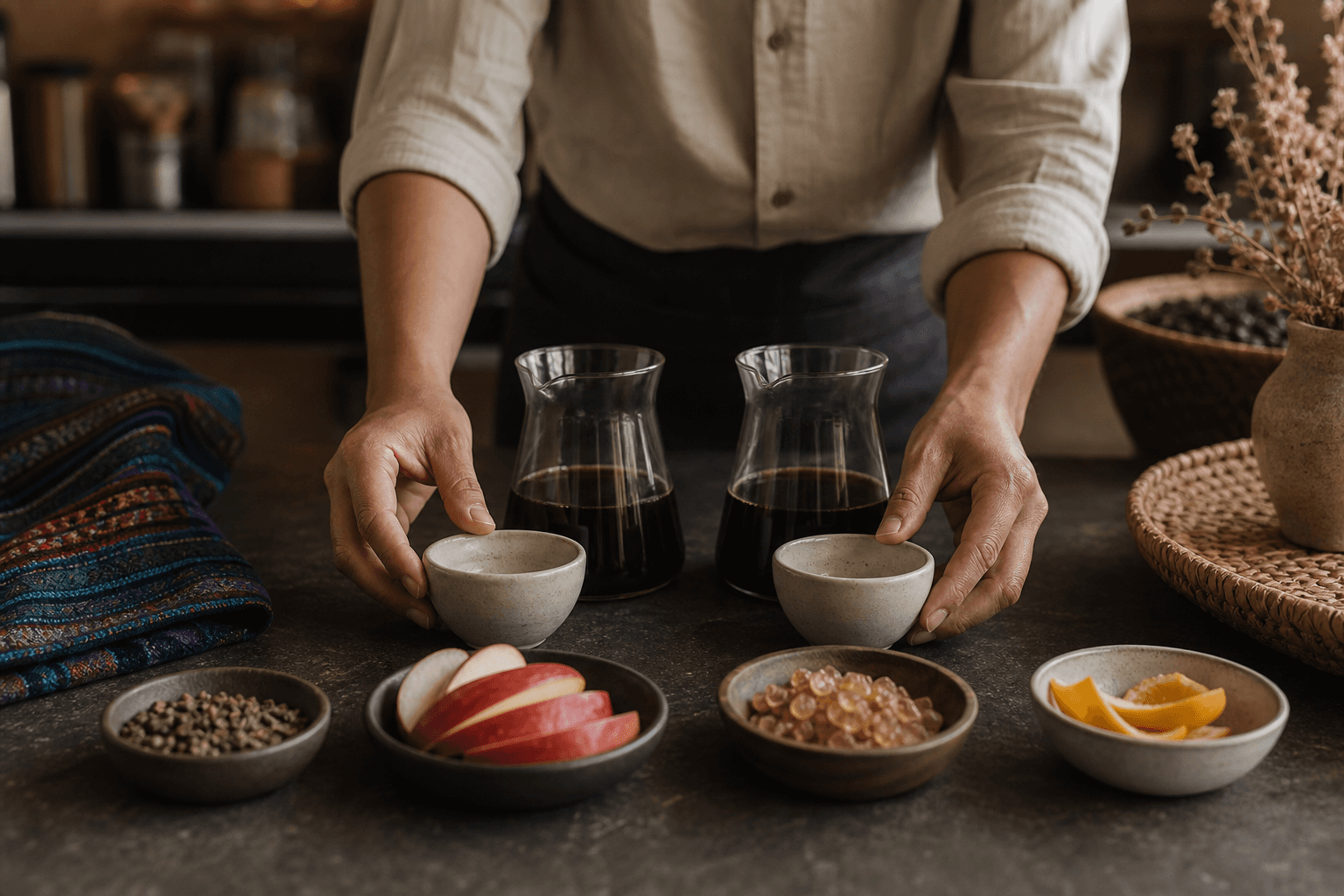
For a more sensory approach, brew two cups side by side. Keep the dose and water the same, but grind one slightly finer and one slightly coarser. Taste them when they are hot, warm, and nearly cool. Guatemalan coffee often shows sweetness more clearly as it cools, so do not judge the whole bag from one rushed sip.
How to choose the right subscription for your taste
Before subscribing, ask what role the coffee should play in your life. A subscription for experimental weekend brewing is different from one that keeps your household supplied with dependable morning coffee.
Use this checklist:
- Choose whole beans if you own a grinder. Grinding fresh gives you more aroma and better control. Choose ground coffee only if convenience is the difference between brewing and not brewing.
- Pick a roast style you will actually drink. If you love clear filter coffee, choose light to medium. If you make cappuccinos, choose a roast with enough sweetness and body for milk.
- Look for freshness promises. A subscription should make fresh coffee easier, not leave you guessing.
- Prefer guided variety. Rotating lots are exciting when the roaster explains what changed and how to brew it.
- Match delivery frequency to real use. Too much coffee goes stale; too little sends you back to emergency beans.
If you are buying for a household, a small office, or a gift recipient, choose the most forgiving option first. The most impressive coffee is not always the best subscription coffee. The best subscription coffee is the one people keep brewing happily.
Why Guatemala can feel more useful than a random global rotation
A global rotation can be wonderful. It can introduce you to Ethiopian florals, Kenyan acidity, Costa Rican honey processes, Colombian fruit, Peruvian sweetness, and Brazilian comfort. For experienced drinkers, that range is part of the fun.
For many subscribers, though, too much range makes it harder to learn. If every variable changes at once — country, process, roast, altitude, variety, and brew method — you may enjoy the cup but miss the lesson.
Guatemalan coffee gives you a narrower frame. You can compare regions, roast styles, or processes while staying within a recognizable origin family. That is useful for home brewers because it trains your palate without overwhelming it.
It also fits international specialty culture. US and UK buyers often want coffees that work across filter and espresso. European and Nordic drinkers often value clean, traceable Arabica with enough acidity for light roasts but enough sweetness for daily brewing. Guatemala can speak to both expectations.
FAQ: single-origin coffee subscriptions and Guatemalan coffee
Is a single-origin coffee subscription better than buying blends?
Not automatically. Blends can be excellent, especially for espresso consistency. A single-origin coffee subscription is better if you want to learn how place, process, roast, and freshness shape flavour. Guatemala is a strong choice because it offers both clarity and everyday drinkability.
How often should I receive coffee?
Base it on how much you actually brew. A 250 g bag might last one person one to two weeks if they brew one or two cups per day. Larger households or offices may need more frequent deliveries or bigger bags. Freshness matters more than having a cupboard full of options.
Is Guatemalan coffee good for espresso as well as filter?
Yes, many Guatemalan coffees can work well for espresso, especially roasts that emphasize chocolate, caramel, body, and balanced fruit. For lighter, brighter lots, expect a more modern espresso style and dial in carefully.
What should I taste in Guatemalan coffee?
Common tasting impressions include cocoa, caramel, brown sugar, red apple, citrus, stone fruit, gentle spice, and a clean finish. Exact flavour depends on region, variety, process, roast, and brewing.
Should beginners start with Guatemalan coffee?
Yes. For many beginners, Guatemalan coffee is one of the easiest specialty origins to understand because it can be sweet, structured, and expressive without feeling too sharp or unusual.
The takeaway: subscribe for rhythm, not randomness
A coffee subscription should make better coffee feel easier. It should keep your beans fresh, give you enough variety to stay curious, and help you build brewing confidence one bag at a time.
Guatemalan coffee is well suited to that job because it sits at a rare intersection: approachable but not boring, traceable but not abstract, sweet enough for daily drinking, and diverse enough for real origin education. If you want a single-origin coffee subscription that teaches your palate while still working on an ordinary Tuesday morning, Guatemala is a smart place to begin.
Explore Kapalaj’s Guatemalan coffees, learn more about our origin focus, or subscribe with Kapalaj to keep fresh, traceable coffee moving through your own brewing rhythm.