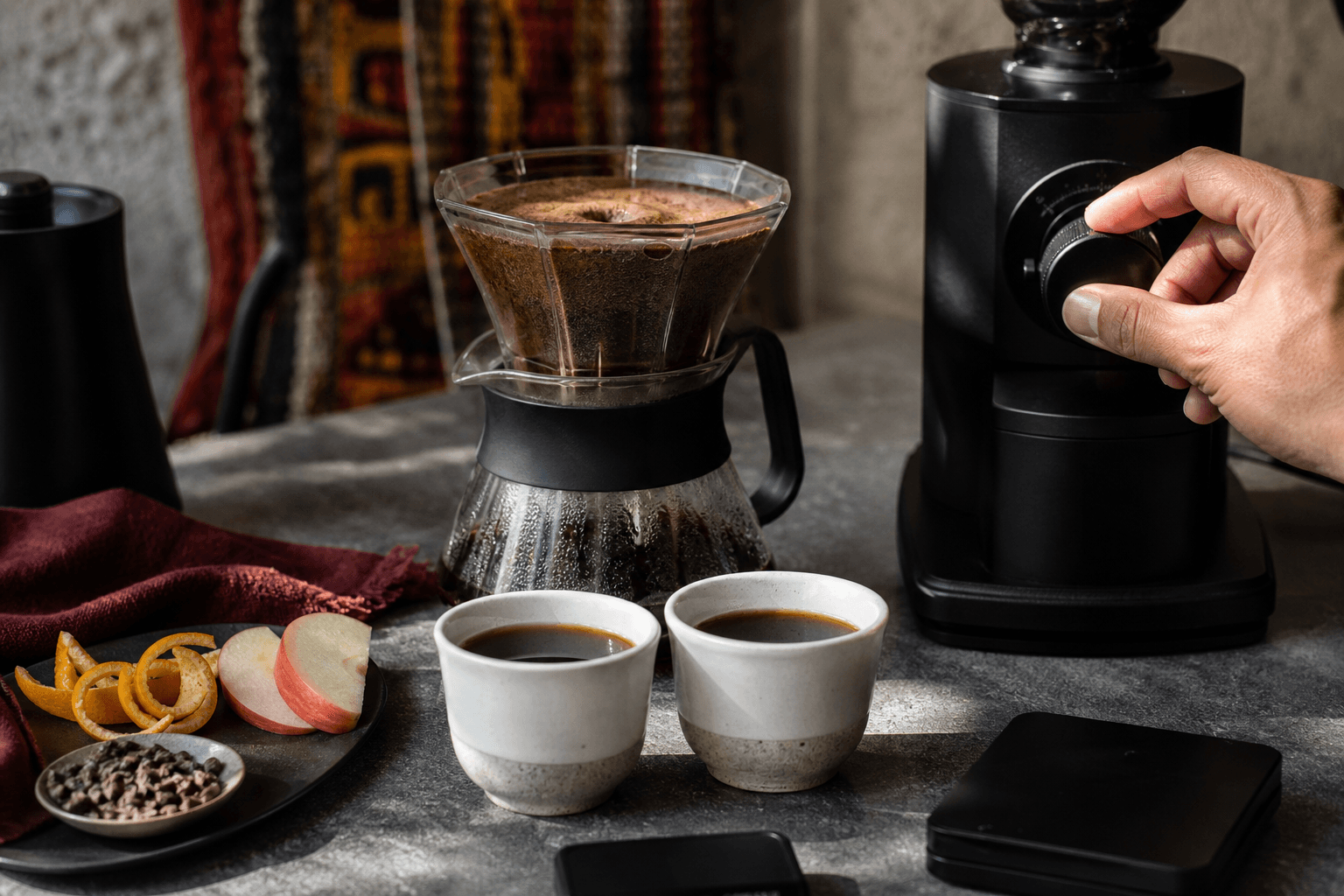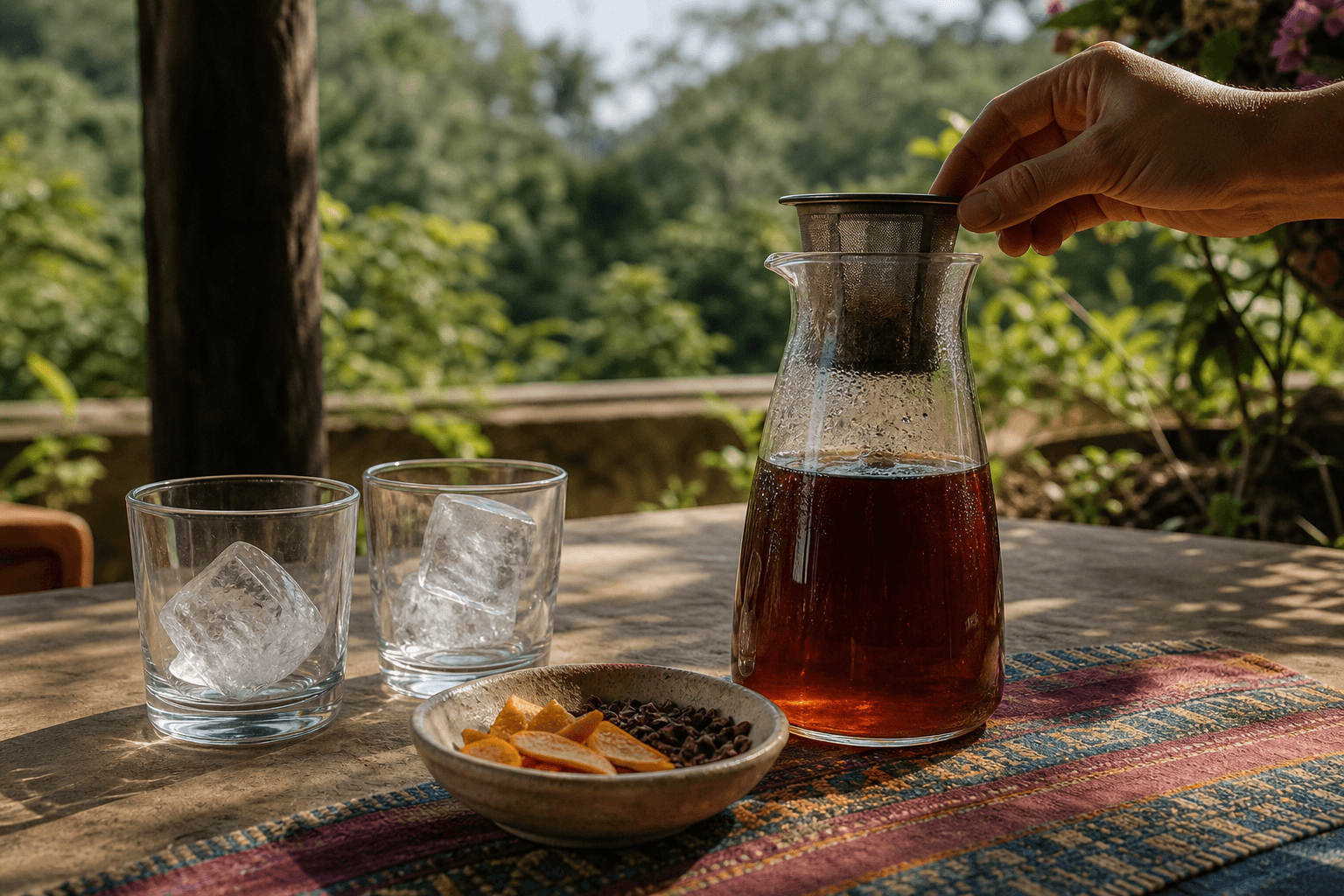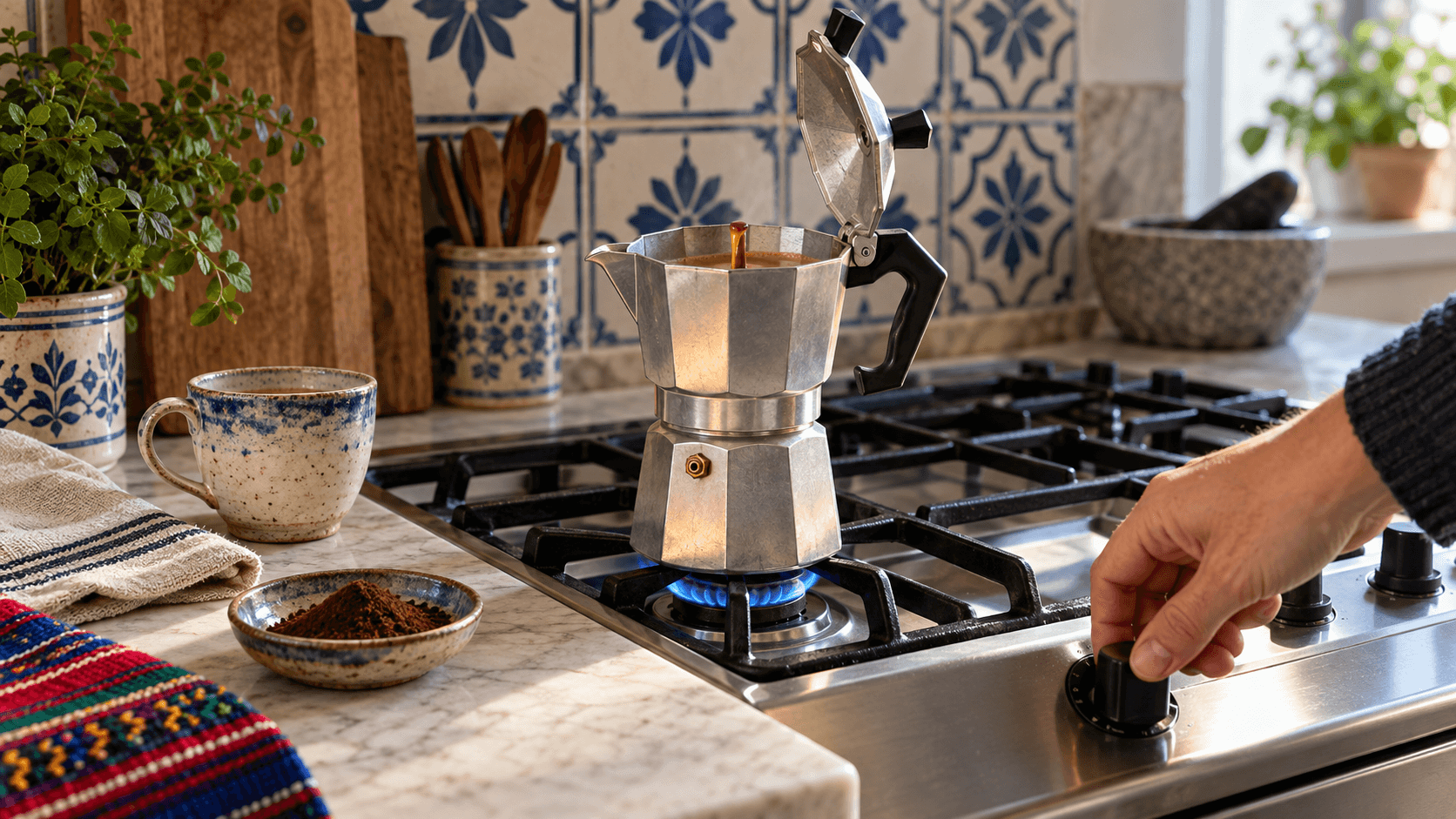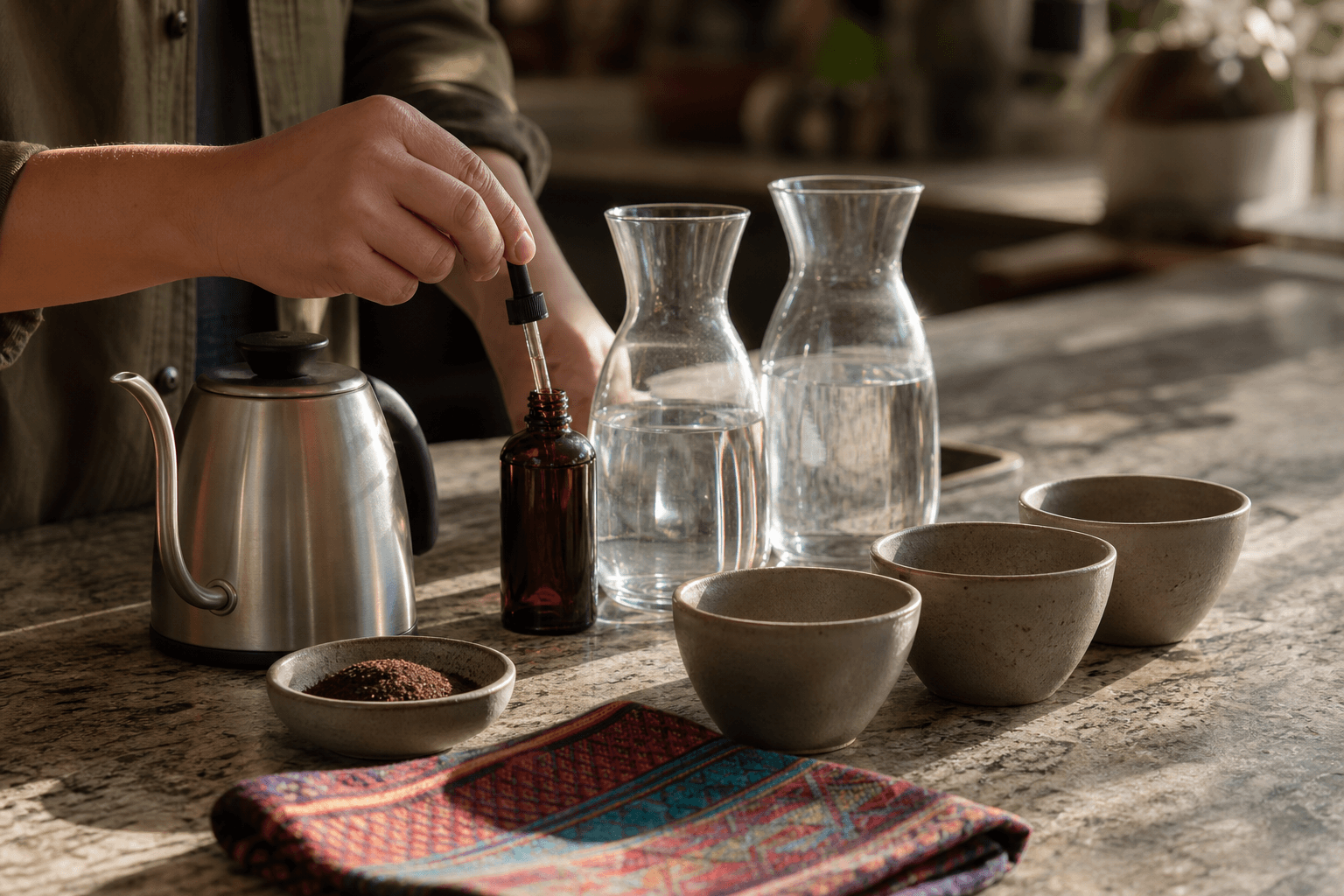
You can buy a beautiful Guatemalan coffee, grind it fresh, follow the recipe, and still end up with a cup that tastes flat, bitter, or strangely muted. When that happens, most home brewers blame the beans first. Sometimes they blame the grinder. Often, the quiet problem is sitting in the kettle.
Water is the ingredient we notice least and use most. Brewed coffee is mostly water, which means the minerals, hardness, chlorine, and alkalinity in your tap can change how a single-origin coffee tastes. For Guatemalan coffee, that matters because the best cups often depend on balance: cocoa sweetness, citrus lift, rounded body, and a clean finish. Good water helps those qualities line up. Poor water can make them disappear.
This is not a call to turn your kitchen into a lab. It is a practical guide for specialty coffee drinkers who want their coffee to taste more like the roaster intended, whether they brew with a pour-over, batch brewer, AeroPress, French press, or espresso machine.
Quick answer: what water is best for Guatemalan coffee?
For Guatemalan coffee, the best brewing water is clean-tasting, low in chlorine, and moderately mineralised. In plain English: it should not taste like a swimming pool, it should not be completely empty of minerals, and it should not be so hard that it dulls acidity and leaves chalky scale in your kettle.
If your coffee tastes hollow, sharp, or harsh even with fresh beans, try filtered water before changing the recipe. A simple carbon filter can remove unpleasant tap-water flavours. If your local water is very hard or very soft, using a coffee-friendly bottled water or remineralised water can make Guatemalan coffee taste sweeter, clearer, and more expressive.
Why water has become a specialty coffee topic
Third-wave coffee culture has made drinkers more attentive to origin, roast, grind size, and brew recipes. In the US, UK, EU, and Nordic markets, people now compare Ethiopian florals, Kenyan blackcurrant brightness, Colombian caramel sweetness, and Guatemalan cocoa-citrus balance with real curiosity. That shift is part of a larger premiumisation story: CBI describes Europe as a major coffee market where value growth is connected to premium segments, and its specialty coffee analysis highlights origin storytelling, transparency, and out-of-home quality as important drivers (CBI European coffee demand, CBI specialty coffee market potential).
As expectations rise, brewing details matter more. The Specialty Coffee Association publishes coffee standards that help professionals create shared language around brewing, cupping, and evaluation (SCA coffee standards). You do not need to memorise technical charts to benefit from that mindset. The useful idea is simple: if you want repeatable coffee, control the variables that repeat every day.
Water is one of those variables. It touches every ground particle. It decides how easily flavour compounds dissolve. It can make acidity feel juicy or sour, sweetness feel round or absent, and bitterness feel balanced or dry.
The Guatemala angle: balance needs support
Guatemala is especially rewarding when your water is working with the coffee. Many Guatemalan coffees are grown in regions where altitude, microclimate, variety, and processing create a layered cup rather than one loud flavour. Guatemalan Coffees, the origin platform associated with Anacafé, describes the country through regional profiles such as Antigua, Highland Huehue, Traditional Atitlán, Acatenango, Cobán, Fraijanes, New Oriente, and San Marcos, each shaped by growing conditions and local character (Guatemalan Coffees regions and profiles).
That diversity is one reason Guatemalan coffee is useful for international specialty drinkers. Compared with a very floral washed Ethiopian coffee, Guatemala often feels more grounded: chocolate, caramel, nuts, red apple, orange, and baking spice. Compared with a bright Kenyan coffee, it is usually less sharply acidic. Compared with a classic Brazilian coffee, it often has more lift and origin definition. Compared with many Colombian coffees, it can feel similarly sweet but sometimes more cocoa-toned or structured, depending on region and roast.
Water can either reveal that balance or flatten it. Very hard water can soften the lively citrus edge and make the cup taste heavy. Very soft or mineral-poor water can extract unevenly, giving you a cup that feels thin, sour, or strangely empty. Chlorinated water can cover delicate sweetness with a chemical aftertaste. The beans may be excellent; the brew just never gave them a fair stage.
A few plain-English water terms
Coffee water advice often becomes too technical too quickly. Here are the terms that matter most for home brewers.
Hardness means how much calcium and magnesium are in the water. Some minerals are helpful because they assist extraction and make coffee feel more complete. Too much hardness can mute acidity, increase scale in equipment, and make the cup taste chalky or heavy.
Alkalinity is the water’s buffering power. Think of it as how strongly the water pushes back against acidity. A little buffering can make bright coffees taste rounded. Too much can make a lively Guatemalan coffee taste dull.
TDS, or total dissolved solids, is a broad measure of dissolved minerals. It does not tell you exactly which minerals are present, but it can hint at whether water is very soft, moderate, or heavy.
Chlorine and chloramine are used to treat municipal water. They are safe at regulated levels, but they can taste unpleasant in coffee. If your tap water smells sharp, medicinal, or pool-like, filter it.
You do not need to test every number. Start with taste. If your drinking water tastes clean, your coffee has a better chance. If your water tastes metallic, chalky, salty, musty, or chlorinated, your coffee will probably show it.
How bad water shows up in the cup
Guatemalan coffee gives useful clues because it is often balanced enough that problems stand out. Here is a practical tasting guide.
Swipe the table sideways to see all columns.
| What you taste | Possible water issue | First fix to try |
|---|---|---|
| Flat, dull, no citrus | Water too hard or high in alkalinity | Try filtered or lower-mineral water |
| Sharp, thin, sour | Water too soft, grind too coarse, or under-extraction | Try balanced bottled water, then grind finer |
| Bitter, dry, chalky finish | Hard water, over-extraction, or scale in brewer | Descale equipment and test filtered water |
| Chemical or medicinal note | Chlorine/chloramine or old filter | Use fresh carbon filtration or suitable bottled water |
| Muddy sweetness, no definition | Hard water or dirty brewing gear | Clean brewer, grinder, and kettle; compare waters |
Do not treat this table as a diagnosis machine. Coffee is a system. Grind size, roast level, dose, brew temperature, freshness, and equipment all matter. But water is worth checking because it is easy to overlook and easy to compare.
The two-cup test: the simplest way to learn your water
If you want one concrete takeaway, do this before buying new gear.
Brew the same Guatemalan coffee twice on the same day, using the same recipe, grind size, dose, and temperature. Change only the water. Use your usual tap water for one brew and a clean-tasting filtered or bottled water for the other. Taste them side by side after they cool for a few minutes.
You are not looking for perfection. You are looking for differences:
- Which cup smells sweeter?
- Which cup has clearer chocolate, caramel, citrus, or fruit notes?
- Which cup feels smoother on the finish?
- Which cup tastes better as it cools?
- Which cup makes you want another sip?
This is how professional coffee people learn: controlled comparison. A cupping table in a roastery looks formal, but the principle is simple. Change one variable, taste honestly, and keep the version that improves the cup.
A practical brew recipe for testing Guatemalan coffee
Use a straightforward filter recipe for your comparison. It works for many pour-over brewers and can be adapted to a batch brewer.
Water comparison recipe
- Coffee: 18 g fresh Guatemalan coffee
- Water: 300 g
- Ratio: 1:16.7
- Grind: medium, like table salt moving toward coarse sand
- Water temperature: just off boil, roughly 92-96°C if you measure
- Brew time: around 2:45 to 3:45 for most cone or flat-bottom brewers
- Test: brew once with usual water, once with filtered or bottled water
If the filtered-water brew tastes sweeter and cleaner, you have learned something valuable. Keep the recipe stable and improve the water. If both cups taste similar, your water may already be fine, and the next variables to examine are grind size, coffee age, and dose.
For French press, keep the comparison equally simple: 30 g coffee, 500 g water, coarse grind, four minutes of steeping, gentle stir, then plunge slowly or decant through a filter. For AeroPress, use your normal recipe but repeat it exactly. The method matters less than changing only one variable.
Should you use bottled water, filtered water, or remineralised water?
Most home brewers do not need an elaborate water system. Start with the lowest-friction option that improves the cup.
Carbon-filtered tap water is the best first move for many people. A jug filter, under-sink filter, or refrigerator filter can remove obvious chlorine flavours. It may not dramatically change hardness, but it often makes coffee cleaner.
Bottled water can be useful for testing, travel, or very difficult tap water. Choose water that tastes neutral and not salty, chalky, or heavily mineral. Avoid distilled water on its own; coffee usually needs some minerals to extract well.
Remineralised water means adding a mineral packet or drops to distilled or reverse-osmosis water. This gives more control, which is useful for espresso, competitions, or serious home brewing. For most Kapalaj readers, it is an optional upgrade, not a requirement.
Espresso machines deserve extra caution. Very hard water can create scale; very pure water can damage some machines or cause corrosion depending on design. Follow the machine manufacturer’s guidance. Good coffee is not worth ruining expensive equipment.
Buying Guatemalan coffee with water in mind
When choosing Guatemalan coffee for home brewing, think about both the flavour profile and your water reality.
If your water is hard and you cannot filter it much, choose a coffee with enough sweetness and structure to hold up: chocolate, caramel, toasted nuts, red fruit, or medium body. Avoid chasing the most delicate floral profile until you can brew it cleanly.
If your water is very soft, choose a balanced roast and watch extraction. You may need a slightly finer grind or a recipe that brings more sweetness. If the cup tastes thin, do not immediately assume the coffee is too light. Try a different water or grind setting first.
If you use a good filter or remineralised water, you can explore more nuance: Highland Huehue-style brightness, Antigua-like structure, Atitlán fruit, or other regional expressions when available. The better your water, the more meaningful those distinctions become.
FAQ: water and Guatemalan coffee
Does water really make a big difference in coffee?
Yes. Water affects extraction and flavour clarity because it dissolves the compounds that become the cup. If your water tastes strongly of chlorine, metal, salt, or chalk, it can noticeably change Guatemalan coffee.
Is soft water better for Guatemalan coffee?
Not always. Very soft water can make coffee taste thin or sharp. Guatemalan coffee usually performs best with clean, moderately mineralised water that supports sweetness without muting acidity.
Can I use distilled water for coffee?
Distilled water on its own is usually not ideal for brewing coffee because it lacks minerals that help extraction. If you use distilled water, consider remineralising it with coffee-specific minerals.
Why does my Guatemalan coffee taste bitter even with good beans?
Bitterness can come from grinding too fine, brewing too long, using stale coffee, dirty equipment, or hard water. Start by cleaning your brewer, checking freshness, and comparing your usual water with filtered water.
What is the easiest water upgrade for home brewing?
A fresh carbon filter is the easiest first step. It will not solve every mineral issue, but it can remove unpleasant tap-water flavours and often makes specialty coffee taste cleaner.
The cup should taste like the origin, not the plumbing
Great Guatemalan coffee does not need a complicated ritual to shine. It needs freshness, a sensible recipe, and water that lets the coffee speak clearly. Once you hear the difference, brewing becomes less frustrating. Chocolate tastes more like chocolate. Citrus feels juicy rather than sharp. The finish becomes cleaner. The cup feels intentional.
If your next bag of Guatemalan coffee does not taste the way you hoped, do not give up on the origin. Brew a two-cup water test first. It might be the simplest upgrade you make all year.
Ready to taste what balanced water can reveal? Explore Kapalaj’s Guatemalan coffees in the Kapalaj shop, learn more about the country behind the cup on our origin page, and choose a coffee worth brewing carefully.