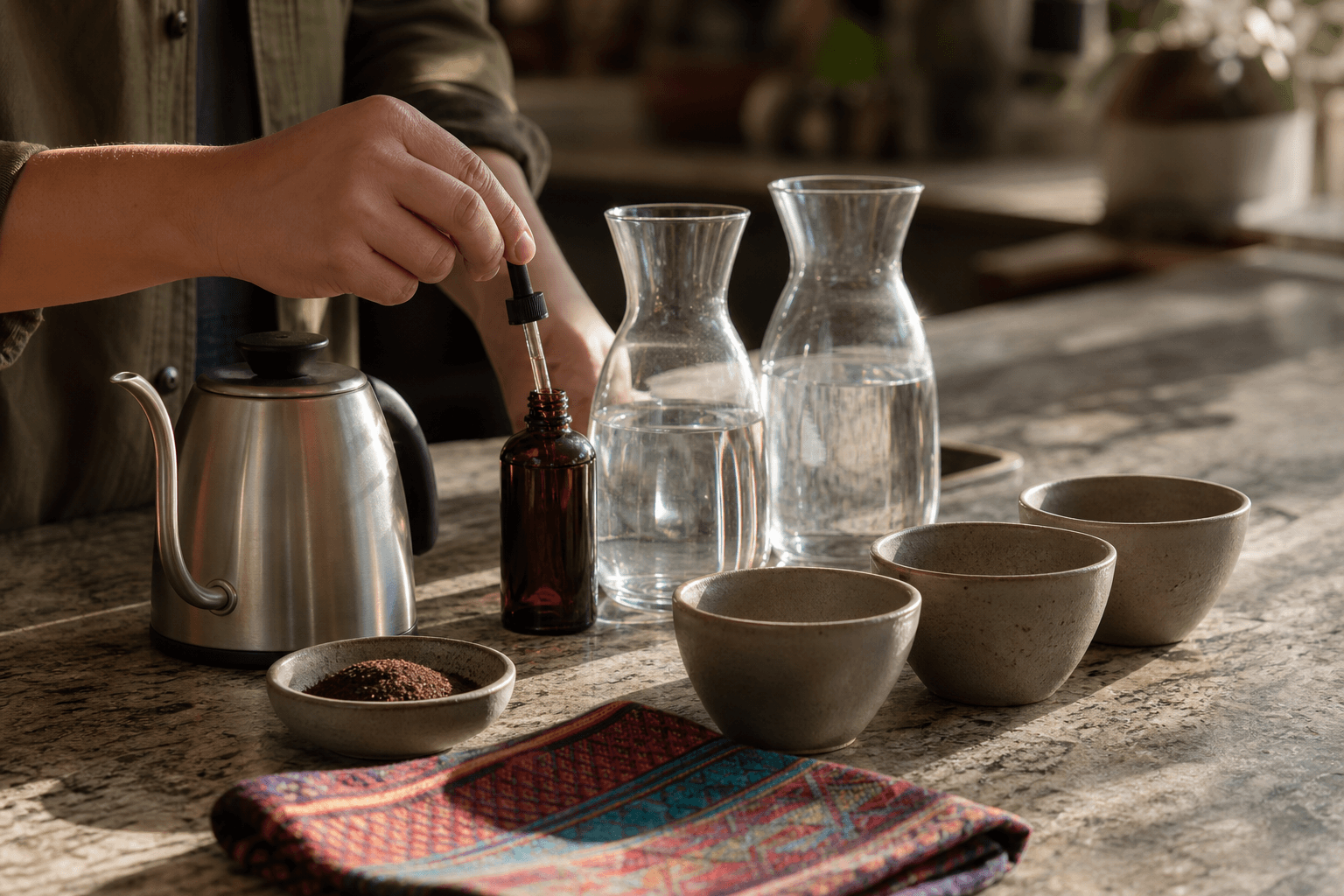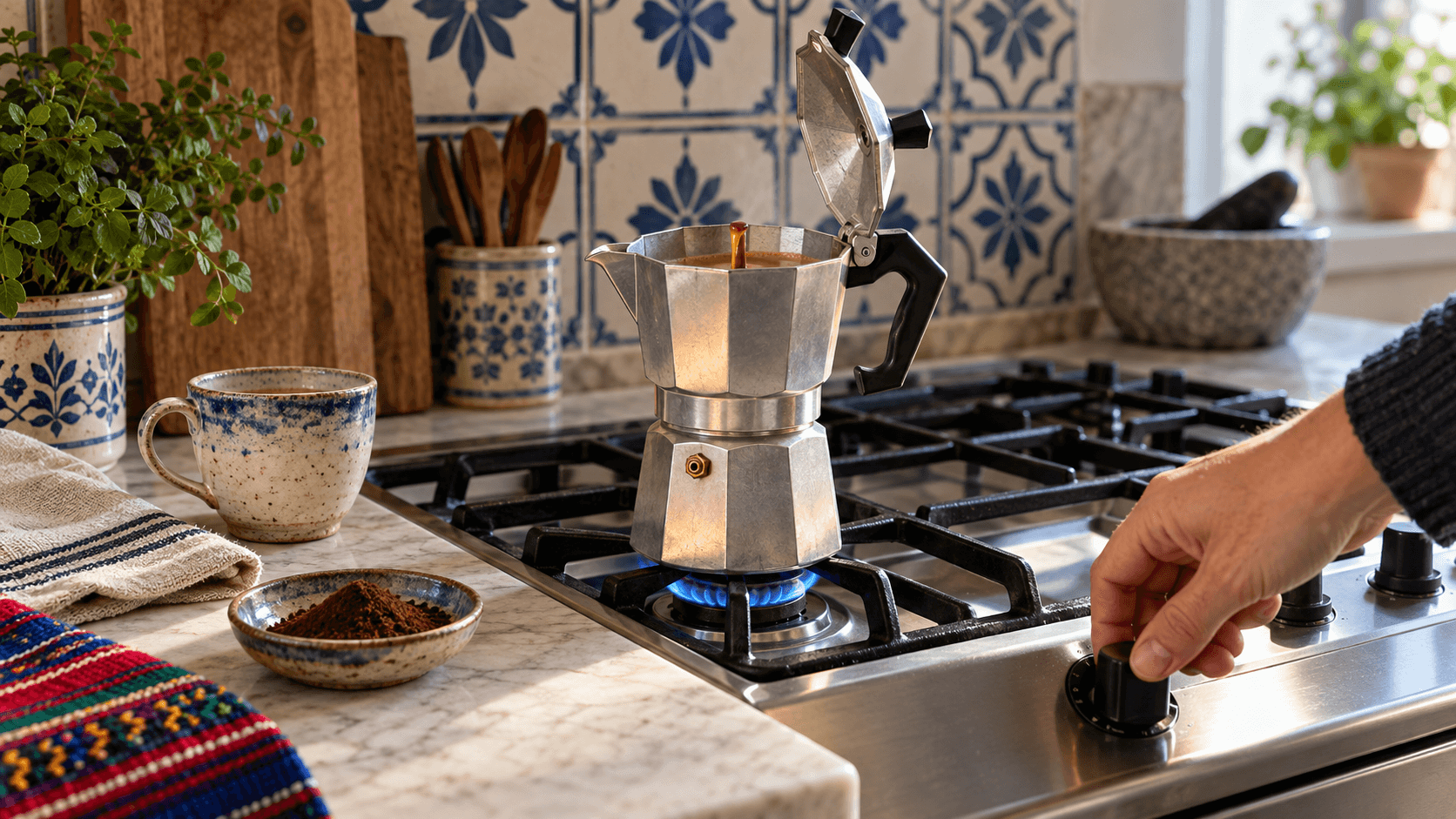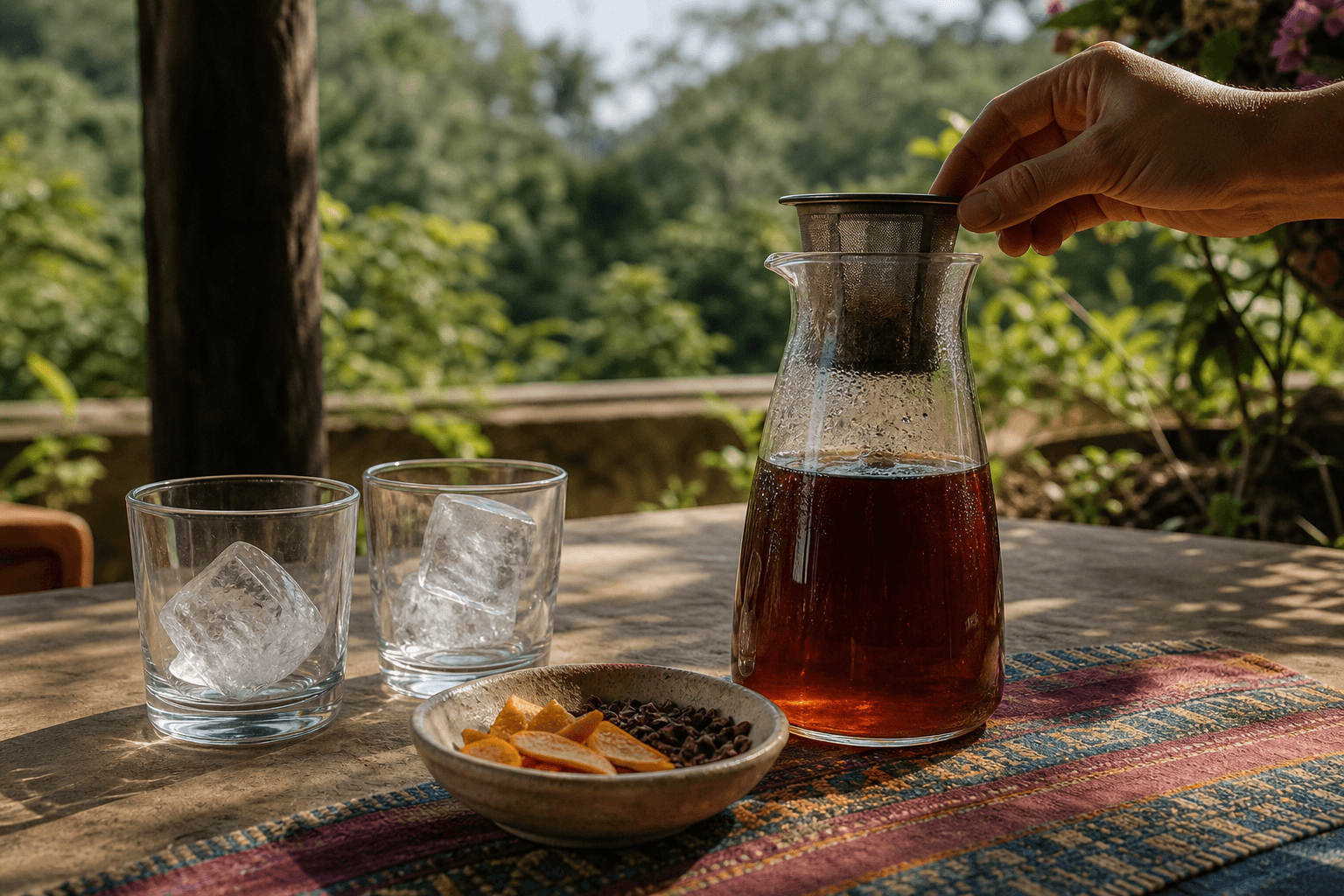
Cold brew has a reputation problem in specialty coffee. Too often it is treated as the sweet, safe drink: dark concentrate, lots of milk, maybe vanilla syrup, pleasant but not especially transparent. That can be delicious, but it also hides what many of us buy single-origin coffee for in the first place: origin character.
A good cold brew does not have to taste flat, heavy, or anonymous. With the right coffee and a cleaner recipe, it can feel refreshing, structured, and naturally sweet. Guatemalan coffee is particularly useful here because many lots bring the exact qualities cold brew needs: cocoa-like sweetness, citrus lift, enough body to stay satisfying over ice, and enough clarity to avoid becoming muddy.
For international specialty coffee drinkers in the US, UK, EU, and Nordic markets, cold coffee is no longer just a café extra. It is part of how people brew at home, serve guests, stock office fridges, and build summer menus. The question is not whether cold brew can be convenient. The better question is: can it still taste like specialty coffee?
Quick answer: is Guatemalan coffee good for cold brew?
Yes. Guatemalan coffee is excellent for cold brew when you want a cup that tastes naturally sweet rather than syrupy. Washed or carefully processed Guatemalan coffees often give cold brew flavours of chocolate, brown sugar, orange peel, red apple, cacao, and gentle spice, with enough acidity to keep the drink lively over ice.
For the cleanest result, start with a medium or light-medium roast, grind coarse, brew with a 1:8 coffee-to-water ratio for concentrate, and dilute to taste. If you want ready-to-drink cold brew, use a lighter 1:12 to 1:14 ratio and brew a little shorter.
Why cold brew belongs in the specialty conversation now
Third-wave coffee culture helped many drinkers learn to care about origin, roast style, brew ratios, water, and extraction. Those ideas do not disappear when the drink is cold. They become even more important because cold water extracts coffee differently from hot water.
In plain English, extraction means how much flavour the water pulls out of the coffee. Hot water extracts quickly and easily, including acidity, sweetness, aromatics, bitterness, and body. Cold water extracts more slowly and tends to emphasise sweetness and smoothness while muting sharp acidity. That is why cold brew can taste rounded and easy to drink, but also why it can become dull if the coffee is too dark, too old, or ground too fine.
There is also a market reason this matters. CBI describes Europe as a major coffee market where value growth is connected to premiumisation and specialty demand, while its specialty coffee analysis points to coffee shops as places where consumers discover new taste profiles and origin stories (CBI European coffee demand, CBI specialty coffee market potential). Cold coffee is part of that same premiumisation: cafés, hotels, offices, and home brewers want drinks that feel convenient without tasting generic.
The Specialty Coffee Association’s standards are useful here because they give the industry a shared language around brewing, cupping, and quality control (SCA coffee standards). You do not need to turn your kitchen into a lab, but using a ratio, a grind size, and a tasting routine makes cold brew more repeatable.
Why Guatemala works so well over ice
Guatemala is not one flavour profile. The national origin platform Guatemalan Coffees, associated with Anacafé, describes distinct regional profiles shaped by varietals, microclimates, and growing conditions, including Antigua, Highland Huehue, Atitlán, Cobán, Acatenango, Fraijanes, New Oriente, and San Marcos (Guatemalan Coffees regions and profiles). That diversity matters for cold brew because different regions can give you different versions of sweetness and structure.
Many Guatemalan coffees sit in a useful middle ground. Compared with Ethiopian coffees, which can bring delicate florals, bergamot, or berry aromatics, Guatemala often gives more cocoa, caramel, and round fruit. Compared with Kenyan coffees, which can be intensely bright and blackcurrant-like, Guatemala is usually gentler and more approachable. Compared with many Colombian coffees, Guatemala can feel similarly sweet but sometimes more spice-toned or volcanic in structure, depending on region and roast.
Cold brew tends to reduce sharpness. That means a very low-acid coffee can become too soft, while a very high-acid coffee can remain exciting but lose some aromatic detail. Guatemalan coffee often lands in the sweet spot: enough acidity to stay clear, enough body to carry ice and milk, and enough chocolate-like depth to feel complete without sugar.
The practical recipe: clean Guatemalan cold brew concentrate
Use this when you want a concentrate you can keep in the fridge and pour over ice during the week.
Swipe the table sideways to see all columns.
| Variable | Recommendation | Why it matters |
|---|---|---|
| Coffee | 100 g Guatemalan coffee | Washed or honey process is a great starting point |
| Water | 800 g cold, filtered water | A 1:8 ratio gives a flexible concentrate |
| Grind | Coarse, like sea salt | Too fine can taste silty or harsh |
| Brew time | 14–16 hours in the fridge | Long enough for sweetness, short enough for clarity |
| Filter | Paper filter after steeping if possible | Removes sediment and keeps the cup clean |
| Serve | 1 part concentrate + 1 part water, milk, or ice melt | Adjust strength without changing the brew |
Method: Add coarse-ground coffee and water to a jar, brewer, or French press. Stir gently so all grounds are wet. Cover and brew in the fridge for 14 to 16 hours. Strain through a metal filter first if needed, then through paper for a cleaner texture. Serve over plenty of ice.
If you prefer ready-to-drink cold brew, use 70 g coffee to 900 g water, brew 12 to 14 hours, and drink it straight over ice. The result will be lighter, more tea-like, and closer to an iced filter coffee in strength.
What to taste for in Guatemalan cold brew
Do not taste cold brew only by asking, “Is it smooth?” Smoothness is nice, but it is not the whole goal. A better specialty coffee tasting question is: what remains clear after chilling?
With Guatemalan coffee, look for these markers:
- Chocolate or cacao: not necessarily dark or bitter, but a rounded cocoa base.
- Brown sugar or panela: a soft sweetness that feels built into the coffee rather than added.
- Orange peel or red apple: gentle fruit notes that lift the drink.
- Nut or spice: almond, hazelnut, cinnamon, or mild baking spice in some lots.
- Clean finish: the aftertaste should feel refreshing, not dusty or stale.
If your cold brew tastes like plain roast and water, the coffee may be too dark, the brew may be too long, or the filtration may be leaving too much sediment. If it tastes thin, use more coffee, grind slightly finer, or extend the brew by two hours. If it tastes bitter and heavy, shorten the brew time and filter through paper.
Choosing a Guatemalan coffee for cold brew
The best cold brew coffee is not always the loudest coffee on the shelf. For cold brew, you want sweetness, clarity, and structure.
Choose a washed Guatemalan coffee if you want a clean cup with cocoa, citrus, and brown sugar. Washed processing means the fruit around the coffee seed is removed before drying, which often makes the cup taste clearer and more transparent.
Choose a honey process coffee if you want more texture and sweetness. Honey process means some sticky fruit mucilage remains on the seed during drying. In the cup, it can create a rounder mouthfeel and a gentle fruit sweetness without becoming as heavy as some natural coffees.
Choose a natural process coffee carefully if you want berry or tropical fruit. Natural process coffees dry inside the whole coffee cherry, which can create expressive fruit notes. In cold brew, that can be exciting, but if the roast is too developed or the process is too ferment-forward, it may taste jammy or winey rather than refreshing. For a fuller process comparison, read Kapalaj’s guide to washed and natural Guatemalan coffee.
Region can help too. Huehuetenango can be excellent when you want fruit lift and highland sweetness. Antigua can work beautifully when you want structure, cocoa, and spice. Atitlán may bring round fruit and a soft citrus edge. These are starting points, not guarantees, but they make buying less random. To understand the broader origin map, explore Kapalaj’s page on Guatemalan coffee origin.
Cold brew, iced filter, and Japanese iced coffee: know the difference
Specialty coffee drinkers often use “cold coffee” as one category, but the methods taste different.
Cold brew is brewed with cold water over many hours. It is smooth, sweet, low in perceived acidity, and easy to batch.
Iced filter coffee is hot-brewed coffee chilled after brewing. It keeps more aroma and brightness but can taste stale if cooled slowly.
Japanese iced coffee is brewed hot directly over ice. The hot water extracts aromatics quickly, while the ice chills the coffee immediately. It is often brighter and more expressive than cold brew.
Guatemalan coffee can work in all three methods, but cold brew is the most forgiving for shared service. It is useful for summer home brewing, office fridges, hotel welcome drinks, and cafés that want a clean cold option without building the whole drink around syrup.
If you love pour-over coffee and want more acidity, Japanese iced coffee may show more detail. If you want a reliable, naturally sweet drink for several days, cold brew is the better tool.
How to serve it without hiding the origin
The easiest mistake is to turn good cold brew into a dessert drink by default. Instead, build service around balance.
Try one of these:
- Black over clear ice with a strip of orange peel expressed over the glass.
- With a splash of oat milk when the coffee has cocoa, nut, or brown sugar notes.
- With sparkling water at a 2:1 cold brew concentrate to sparkling water ratio for a light coffee spritz.
- With dark chocolate or grilled stone fruit for a summer dessert pairing.
- As an office fridge batch in a labelled carafe, with milk and water on the side so people can dilute to preference.
The reader takeaway is simple: start unsweetened. Taste the coffee black first, then decide whether it needs milk, water, or garnish. Good Guatemalan coffee often brings enough sweetness on its own.
FAQ: Guatemalan coffee and cold brew
Is Guatemalan coffee too acidic for cold brew?
Usually no. Cold brewing softens perceived acidity, so a Guatemalan coffee with citrus or apple notes often becomes refreshing rather than sharp. If you dislike brightness, choose a medium roast from a cocoa-forward region or profile.
What roast level is best for Guatemalan cold brew?
Light-medium to medium roast is the safest range. Very light roasts can taste thin in cold brew unless brewed carefully, while very dark roasts can become bitter, woody, or one-dimensional.
Should I use whole beans or pre-ground coffee?
Use whole beans and grind just before brewing if you can. Cold brew is forgiving, but fresh grinding still preserves sweetness and aroma. If you must use pre-ground coffee, make sure it is coarse and recently roasted.
How long does homemade cold brew last?
Filtered cold brew concentrate usually tastes best within three to five days in the fridge. It may remain drinkable longer, but the clean fruit and cocoa notes fade with time.
Can I use Guatemalan cold brew for milk drinks?
Yes. Guatemalan coffee is a strong choice for milk because its chocolate, caramel, and nut-like notes stay present. Dilute the concentrate less if you plan to add milk.
A better summer coffee starts with the bean
Cold brew does not need to be the place where origin disappears. Brewed cleanly, Guatemalan coffee can give you the easy refreshment people expect from cold coffee while still tasting like a real single-origin coffee: sweet, structured, gently fruit-toned, and grounded in place.
If you want a cold brew that tastes clear without syrup, start with a coffee chosen for sweetness and traceability, brew it with a simple ratio, and taste it before adding anything else. Explore Kapalaj’s Guatemalan coffees in the Kapalaj shop and choose a bag that can carry your next summer batch from the first glass to the last.